Stories, Poems & the Wider World
The Neapolitan Novels
It starts with a phone call. Elena, now in her sixties, hears that Lila, her friend of a lifetime, is gone. Not missing: erased. She has cut herself out of every photograph, taken all her clothes and papers, and vanished as if she'd never existed.
Elena is furious. She opens her laptop and decides to write down their entire lives. We'll see who wins.
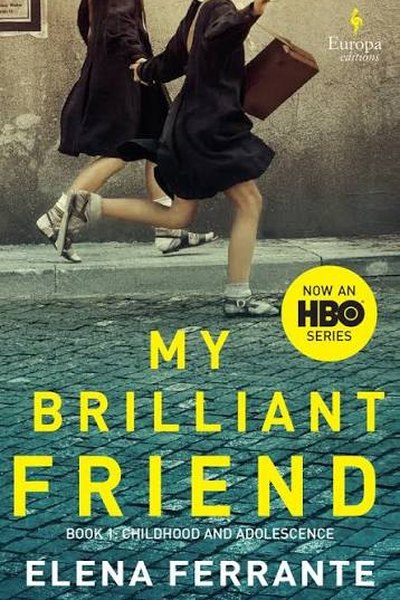
That's the Neapolitan Novels, four books and well over a thousand pages: My Brilliant Friend, The Story of a New Name, Those Who Leave and Those Who Stay and The Story of the Lost Child. I'm writing about them as one story, because that's how they read. They follow two girls from a poor, violent neighborhood in 1950s Naples all the way into old age.
When they're small, Lila throws Elena's doll into the cellar of Don Achille, the loan shark every child in the neighborhood is terrified of. Then Lila takes Elena by the hand and climbs his stairs, step by step, to demand the doll back. That scene is pretty much their whole life in miniature: Lila always out in front, Elena always following, scared and spellbound.
Lila is the smartest kid in the neighborhood, but her family can't afford school, so she stops after elementary school. At sixteen she marries the son of the local grocer. Elena keeps studying, makes it to university in Pisa, writes books, becomes known, leaves Naples. Yet every choice she makes seems to answer one question: what would Lila do?
Friendship between women can be the deepest love and the fiercest rivalry at the same time. They envy each other, copy each other, save each other. Ferrante refuses to make it tidy, and that's exactly why it feels true.
You think you left the neighborhood. It never left you. Elena gets her degree and loses her accent, but every trip back to Naples drags her right back to who she was.
Some people's genius gets eaten alive by poverty and gender. When Lila designs beautiful shoes in the family workshop and then watches the men turn them into their own business, I thought of Virginia Woolf's imaginary "Shakespeare's sister."
HBO made it into a four-season series in Italian and Neapolitan dialect, with Ferrante involved in the writing. The two girls who play young Lila and Elena had almost no acting experience. Watching interviews with them, the way they talk about each other, it felt like the friendship had grown out of the book and into real life. Watch first or read first, either works.
Read it if you have a friend you love and resent and can't seem to let go of, or if you're the one who left the small place. Finish the first book and you'll go straight for the second.
you're my brilliant friend, you have to be the best of all, boys and girls.