Posts, videos, podcasts and articles pile up across ten different apps. Saving feels like keeping, so the saved things never get read. I wanted a place where what you save actually becomes yours.
How to read a book a weekXiaohongshu · 12 study tipsPodcast · On attentionSaved video · 38 minBookmark · Read laterScreenshot 2026-04-02Thread · Notes appsWeChat article · 收藏YouTube · Watch laterPDF · Reading notesNewsletter · SundayBook list · 2026Saved post · 9 imagesArticle · 14 minPodcast · Episode 107Tab · still openSaved just nowWhy we keep saving things we never readNever opened
Saving, one tap from anywhere
Capture
A Chrome and Edge extension, a WeChat entry point, the iPhone share sheet, desktop and web. Whatever you find, it lands in the same Inbox on every device.
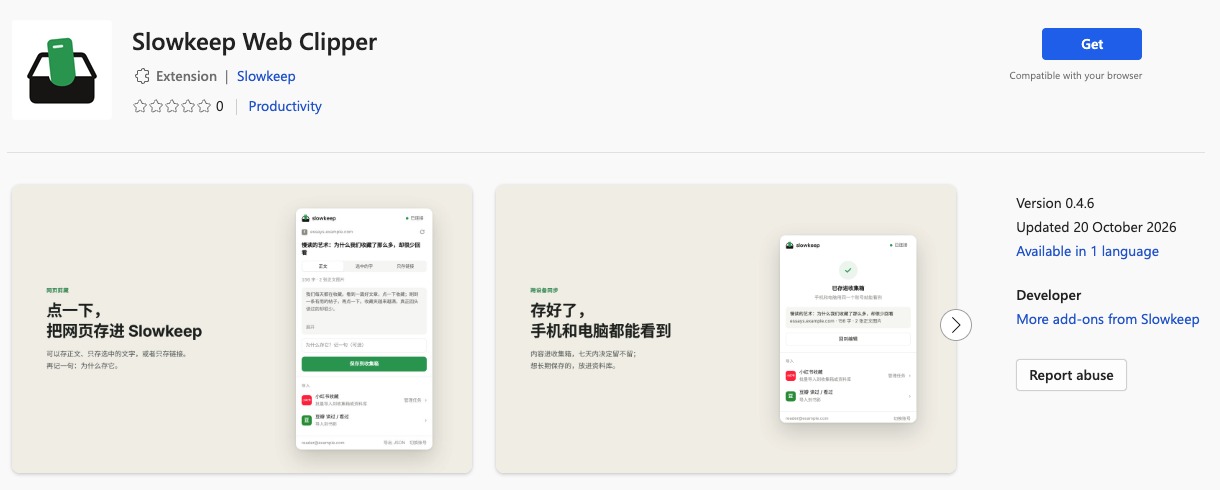
Microsoft EdgeThe Web Clipper is published on Edge Add-ons. One click saves the page you are reading.
‹Service Account⋯
SlowkeepGuangdong
Saving shouldn't end at saving. Slowkeep helps you collect, organise, think about and revisit what interests you, so good ideas settle slowly and keep growing.
FollowedMessage
WeChatSo much reading in China happens inside WeChat, so a service account brings those articles in too. Screen translated.
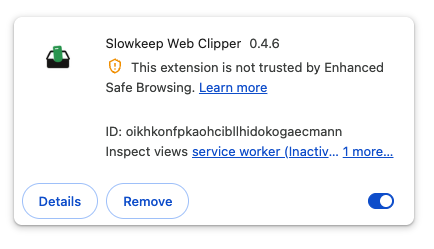
ChromeThe same clipper for Chrome, installed as an extension and pinned to the toolbar.
Why everything you save expires in seven days
A product decision
Instagram Stories disappear after 24 hours, and people watch them because of it. Saving works the other way: once something is saved it feels kept forever, and that comfort is exactly why it never gets digested. So in Slowkeep, the Inbox gives each thing seven days.
I knew this was risky. A deadline can feel like the app is pushing you. So it is gentle: expired things wait in a bin for 30 more days, and finishing three pieces earns one revival. Opening the app and seeing "expires in 2 days" is the nudge.
From saved to understood
Digest
Whatever you save opens as something you can read: a clean article, a transcript with a time on every line, the text inside an image. Then you mark it and write what you think, and the note stays linked to the line that started it.
✧ AI · in beta
Ask your own library
Search, by meaning
Search in Slowkeep is more than keywords. Describe what you remember and it finds the passage by meaning, across your saves, highlights, transcripts and notes.
Or ask a question, and it composes an answer from what you have kept. Every sentence cites the note, highlight or transcript line it came from, and it says plainly when nothing was found.
A record of what you digested
Journal & shelf
Digesting should feel like progress you can see. The journal marks each day by how much you worked through, and the shelf keeps every book and film with the lines you marked.
JournalA calendar of what you digested. Tap any day on the phone.
ShelfBooks and films come in with every line you marked, plus a reading report of where your time went.
Listening before launch
Feedback
When I shared a screen recording of the test build, people answered in the comments. Two ideas stood out, and both are now on the roadmap.
"Can saving just be one tap? Sometimes I don't want to write a note."
Lighter save · one tap saves straight to the Inbox; the note stays optional.
"What if it noticed what I just copied, so I can switch to the app and it offers to save it?"
Clipboard capture · open Slowkeep and it asks whether to save the link you copied.
A closer look
Eleven screens
Inbox, share sheet, transcripts, highlights, notes, search, journal, shelf and the reading report. Drag to look around.
Zero to one, on my own
What it took
Building the app turned out to be only part of it. Launching a product means store listings, an Apple developer account, a copyright registration, servers, and finding the first users, and I am doing each of these myself.
1person, end to end
5surfaces: iPhone, desktop, web, browser, WeChat
500+people on the waitlist before launch
Jun2026, the first sketch
Idea & designThe 7-day Inbox, the reader, the journal
BuildiPhone, desktop and web, written with Claude Code and Codex
Extensions liveWeb Clipper on the Chrome and Edge stores
ReachWeChat service account, demo videos, a waitlist of 500+
Videos, conversations, and a few years of following my curiosity wherever it led.
An independent creative practice: tech tutorials, English-learning notes, personal video essays and a co-created podcast.
37K+
combined follows across four platforms*
~483K
views on my top RedNote post
~336K
views on my top Bilibili video
4
platforms: Bilibili, RedNote, YouTube, Xiaoyuzhou
* A sum of followers and subscribers on each platform, not unique people. Snapshot date to be confirmed.
I never set out to become a content creator.
I simply liked discovering things: a clever way to use a piece of technology, an English expression I'd never heard before, or an idea that made me see an ordinary experience differently. And whenever I found something interesting, I wanted to share it.
Over the years, that habit turned into technology tutorials, language-learning videos, personal essays, and a podcast. Along the way, my work has found an audience of more than 37,000 combined followers and subscribers across four platforms.
But perhaps the most interesting part of creating wasn't how many people watched. It was learning what happens between having an idea and making it matter to someone else.
01 — How it started
Before I knew it was a niche
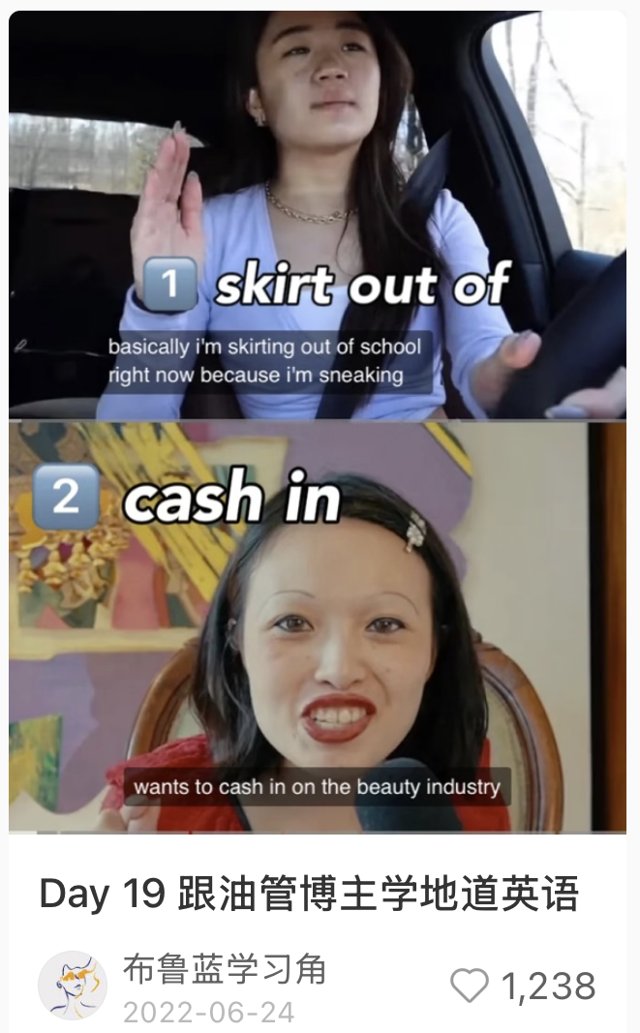
basically I'm skirting out of school right now
2022 · watching YouTube, not to study
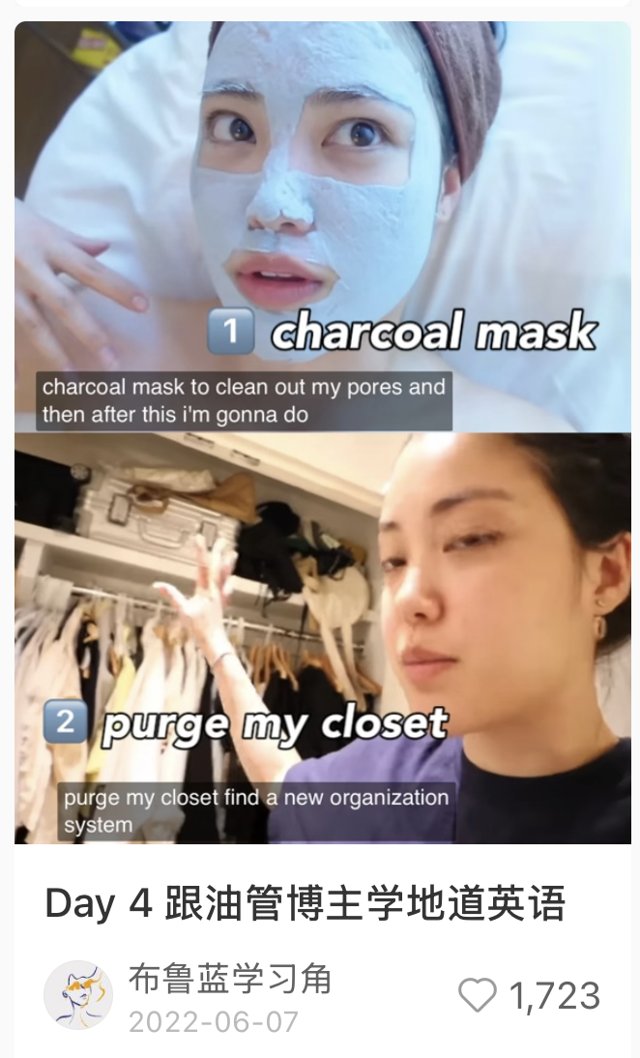
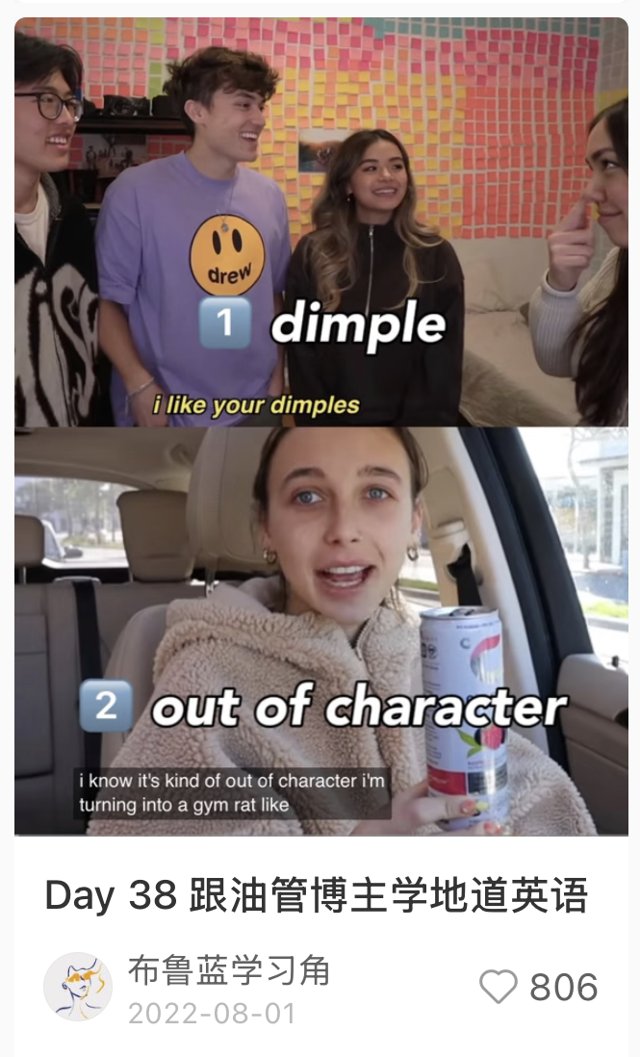
2022 · expressions from my early posts
skirt out of — 逃避,溜掉
out of character — 一反常态
cash in on — 借…赚一笔
purge my closet — 清理衣柜
dimple — 酒窝
Taking notes, then sharing them
“Learning natural English from YouTubers”, a daily series on RedNote, 2022
ASSET O2BBC interview: natural English expressionsRedNote · original post
Not necessarily to study English. I genuinely enjoyed watching how people in other parts of the world lived, talked, and went about their ordinary days.
But I kept noticing something. People used expressions I rarely came across in textbooks. Little phrases, casual reactions, the way someone might describe a frustrating morning or tell a funny story to a friend. They were the kinds of things that made English feel like a living language rather than a subject to be studied.
So I started taking notes.
Then I thought: instead of keeping all these discoveries to myself, why not share them?
I began turning snippets from everyday English-language videos into short learning posts on Xiaohongshu (known internationally as RedNote), a Chinese social platform centred on shared interests and everyday discoveries.
At the time, I rarely saw other creators doing this in quite the same way. I was among the early creators exploring what would later become a much more recognisable niche: learning English through YouTube videos.
I wasn't thinking about content strategy, audience growth, or monetisation. I was simply documenting something I enjoyed learning.
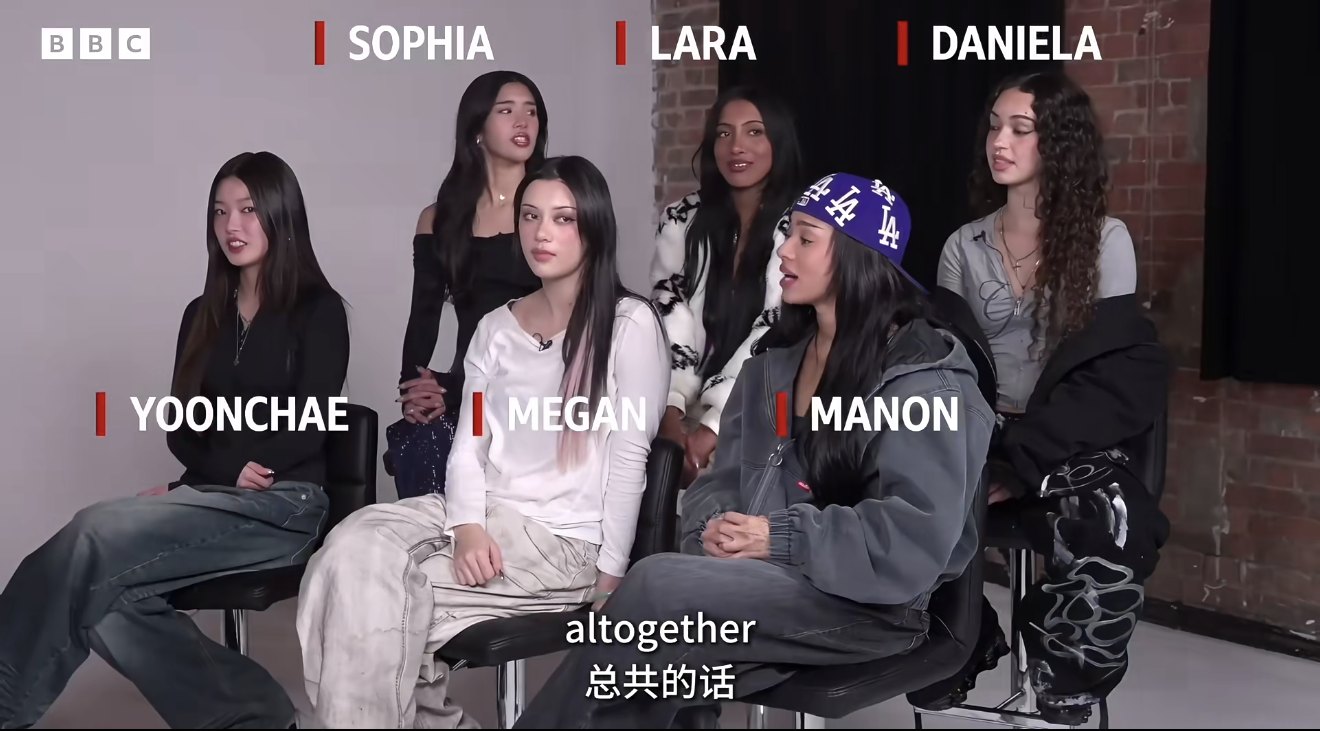
Some posts reached a few hundred people. Others travelled much further. Years later, in 2025, a breakdown of natural English expressions from a BBC interview became my most-viewed post, reaching around 483,000 views and more than 20,000 likes.
Over time, I began noticing more creators exploring similar formats. Some built much larger audiences and eventually turned their learning content into products of their own.
Looking back, I can see that I'd stumbled upon something with real demand. I just hadn't thought of it as a business opportunity.
And that's a distinction I understand much better now.
02 — Selected works
Things I've made
Grouped by what each piece gives people, not by platform.
Learning English from real life
483K
views on RedNote · 20K+ likes · 2025
“BBC interview: KATSEYE on their Grammy nomination for Best New Artist”
Since 2022 I've been turning natural expressions from YouTube videos and interviews into short learning notes. This breakdown of a BBC interview, posted in 2025, became the most-viewed of them.
Making everyday technology easier to understand and use through practical, step-by-step tutorials. iPad and iPhone tips videos reached around 80K views each.
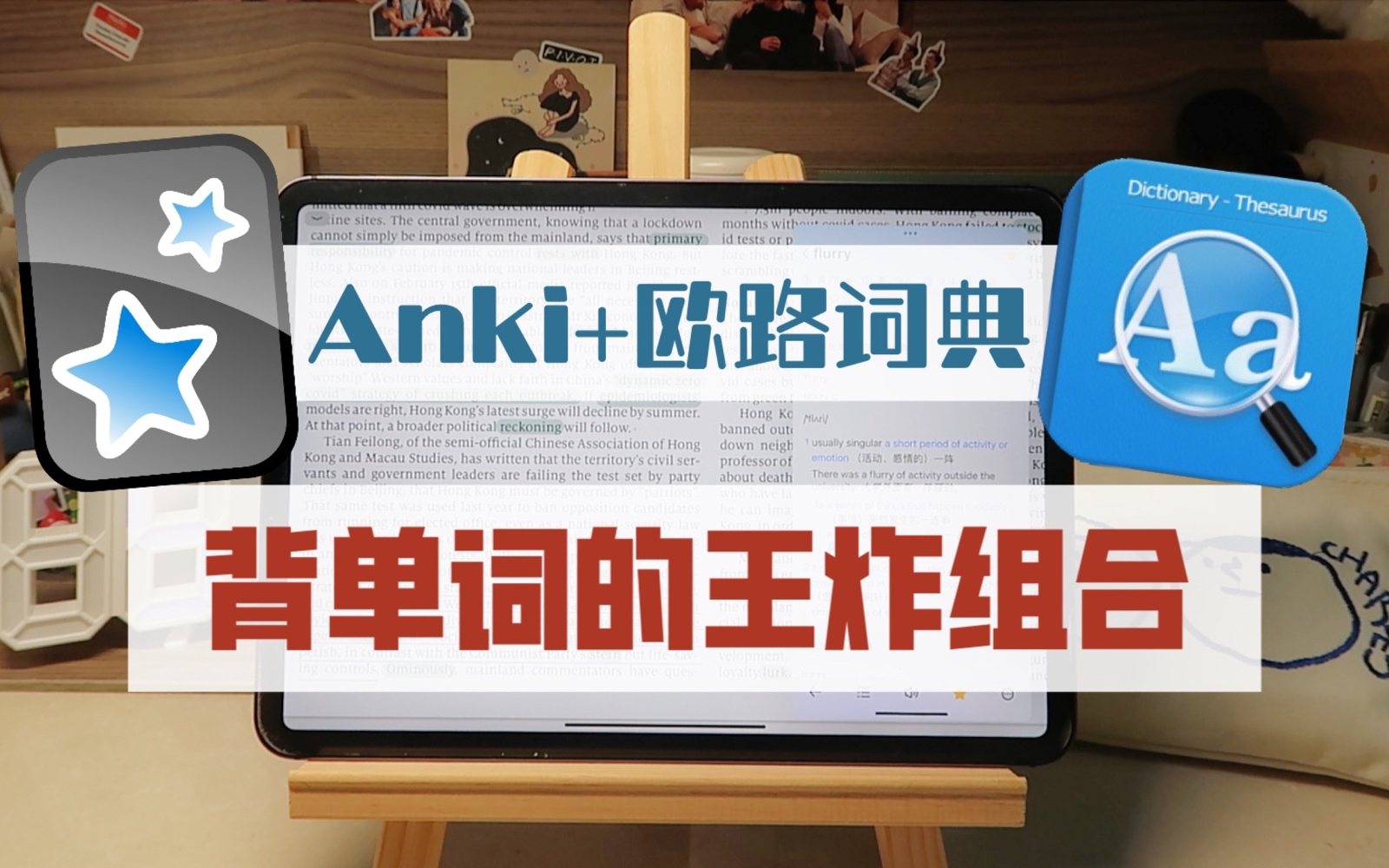
“Anki + Eudic: the most efficient vocabulary-learning combo I've found”
Pairing the Eudic dictionary with Anki's spaced-repetition flashcards, I broke a vocabulary-learning workflow into clear steps that someone new to both apps could follow. The same tutorial later found a second audience on YouTube.
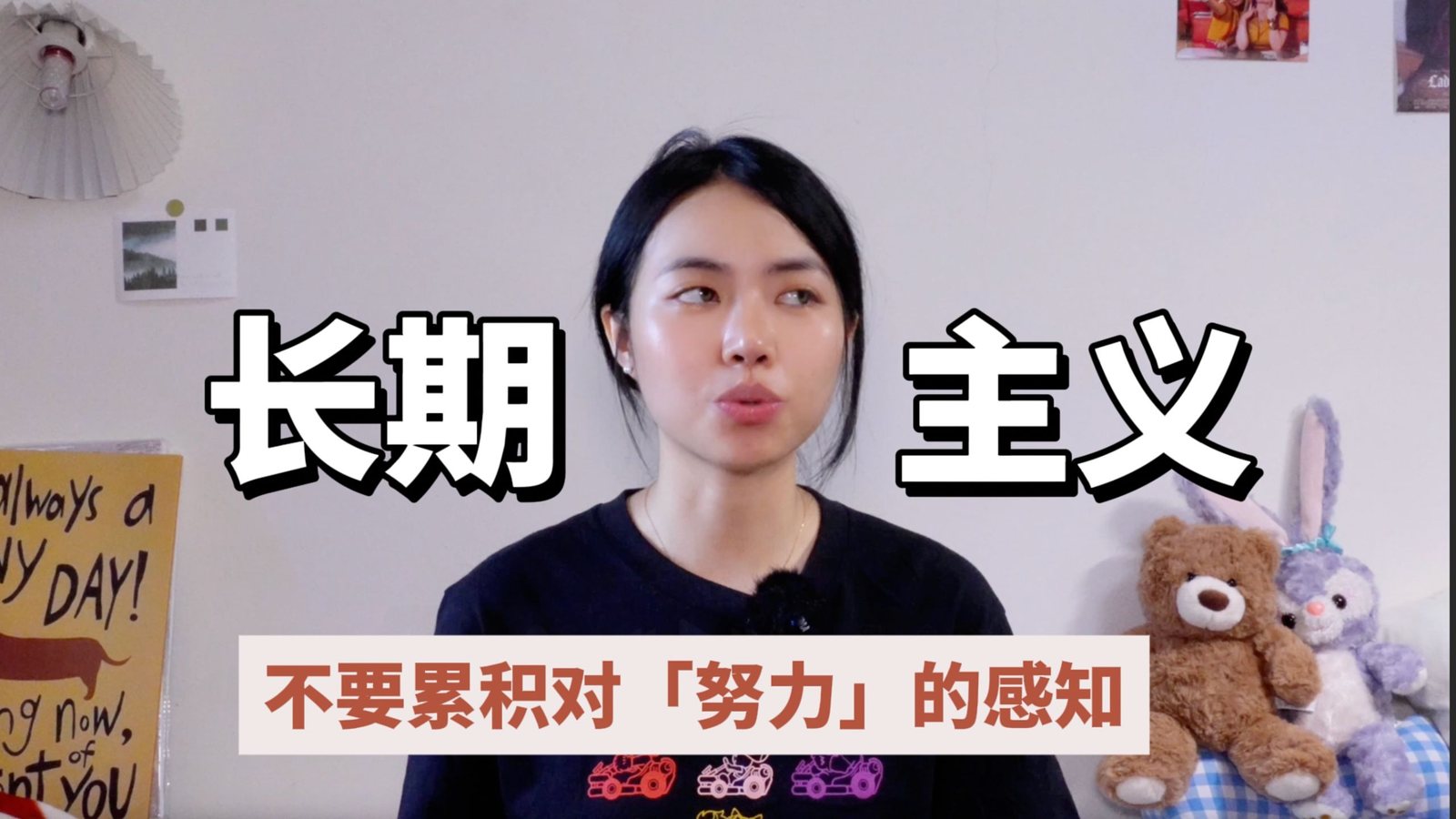
Personal reflections on perseverance, self-confidence, and the sometimes uncomfortable process of becoming more comfortable with oneself; and, beyond educational content, small glimpses of daily life.
Conversations worth having
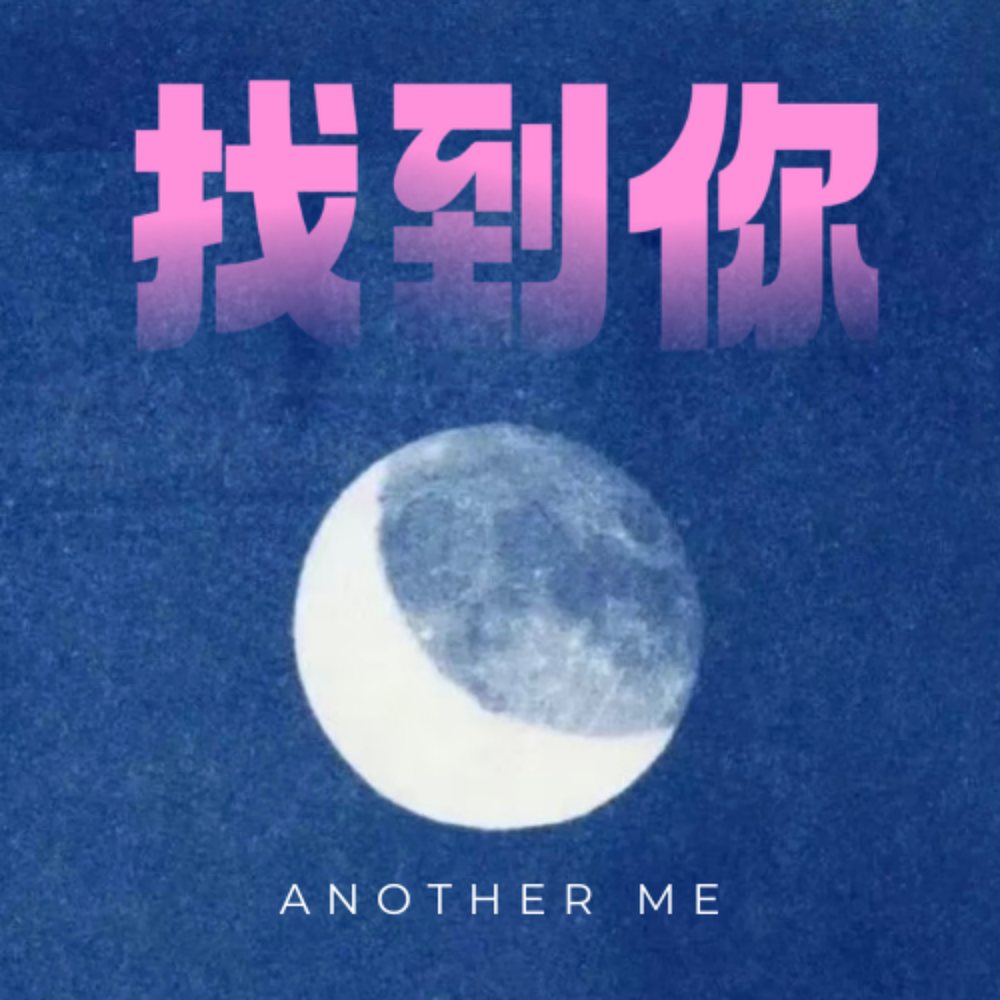
找到你 Another Me
A Chinese-language podcast, co-created with a friend · ~4.2K subscribers on Xiaoyuzhou, also published on Apple Podcasts
I've shared content across four platforms, each with its own audience, culture, and ways of discovering new work. One of the most interesting differences I've noticed is how quickly a piece of content seems to find its audience.
Different discovery rhythms
minuteshoursdaysweeksmonths
RedNote
Breakout posts drew likes within minutes
Bilibili
A video's performance became clearer over several days
YouTube
Some tutorials kept finding viewers for months
Based on my own publishing experience. Illustrative rather than measured platform-wide performance.
Minutes to hours
RedNote
On RedNote, my best-performing posts often attracted attention almost immediately. Sometimes the likes started coming in within minutes, and I had a feeling that a post was going to do unusually well.
Days
Bilibili
On Bilibili, the momentum was often more gradual. I could usually get a better sense of a video's performance over the next few days.
Sometimes months
YouTube
YouTube felt different again. Some videos continued finding viewers over much longer periods, sometimes months after publication.
These are observations from my own accounts, not rules about how each platform works. But they made me curious about the different ways content gets discovered: through recommendations, searches, and the interests people return to over time.
A sudden burst of attention is exciting. But something that continues helping people months later can be valuable in a very different way.
One tutorial, two platforms
Anki + Eudic
The same learning workflow found an audience on both Bilibili and YouTube. It made me appreciate the lasting usefulness of content that helps people solve a specific problem, even if the way people discover it differs.
Recommendation systems are more complex than a single formula for going viral.
Bilibili publicly describes a system that considers signals such as views, likes, comments, favourites, shares, and follows. YouTube uses viewing and search history alongside measures of engagement and satisfaction to help people discover videos they might enjoy.
These systems help explain why distribution depends on more than production quality alone. But without detailed traffic-source and retention data, I can't reliably attribute the performance of my own videos to any particular algorithmic mechanism.
What I can say is that creating across platforms made me more aware of the distinction between making something valuable and helping the right people discover it.
On the distance between what a piece means to its maker and what reaches the viewer.
Some of the videos I cared about most were the ones hardly anyone watched.
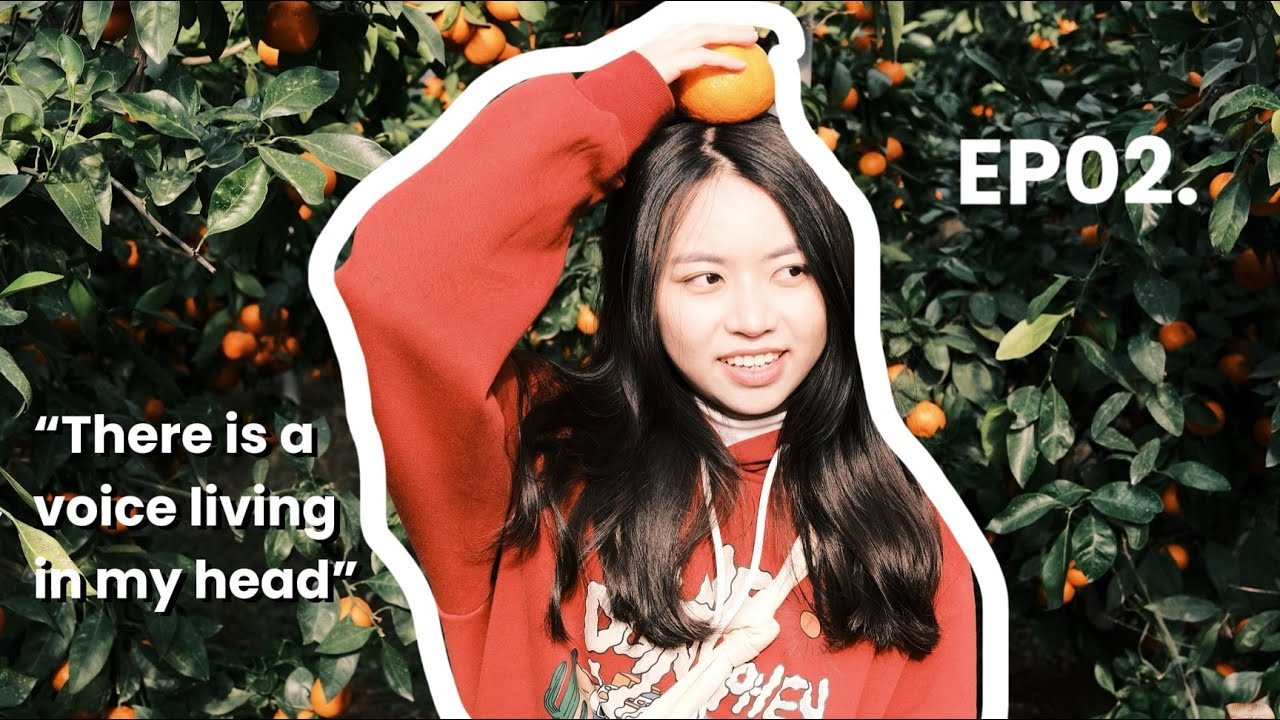
I remember making a video inspired by The Untethered Soul, a book that made me question something I'd never really stopped to think about: who is that voice in my head, and why does it never seem to shut up?
It took me a while to make sense of the idea. I read, reflected on my own experiences, and slowly arrived at an understanding I wanted to share. Then came the filming, editing, and endless search for just the right footage and music. By the time I finished, the video meant a great deal to me.
It didn't resonate with nearly as many people as I'd hoped.
For a while, that was difficult to understand. I'd put so much of myself into it. Surely some of that effort would come through?
Then I thought about the rose in The Little Prince. What makes the rose so precious to the little prince isn't that she's the most extraordinary flower in the world. It's the time he's spent caring for her.
I think creators sometimes feel that way about their work. We remember every hour that went into making something, every thought that led to another, every little detail we agonised over. But the audience sees none of that history. They encounter the finished piece, often for the first time, with no particular reason to care.
I began to wonder if I'd been confusing how much something meant to me with how clearly I'd communicated its meaning to someone else. It's not that people can't appreciate complicated ideas. But they haven't necessarily followed the same path that brought me there. A familiar problem (struggling to wake up early, learning a language, trying to stay disciplined) gives people an immediate way into a conversation. An abstract question about consciousness might require a little more guidance.
That doesn't mean every story should be made simpler. Some ideas deserve patience. Some need room to unfold. But if I want someone to come along on that journey, I have to give them a way in.
I've come to think of storytelling as the art of making that distance a little smaller.
ASSET R3-aA tutorialAnki or Apple Pencil cover
A reason to click
ASSET R3-bA reflectioncover
A reason to return
II.
Beyond the tutorial
A good tutorial gives someone a reason to click.
They want to learn how to use an Apple Pencil, set up a vocabulary-learning system, or make better use of an app. The problem is already there. My job is to make the solution clear.
I've always enjoyed making this kind of content. There's something satisfying about taking a process that once seemed confusing and explaining it in a way that makes someone think, "Oh, so that's how it works."
But I've also found myself drawn to a very different kind of creation. Videos about confidence, persistence, and personal change. Long conversations about boredom, desire, and the questions we don't always know how to answer.
These pieces don't offer the same immediate utility as a tutorial. They ask for something different from the audience: a little more time, openness, and willingness to follow an unfamiliar train of thought.
Making both kinds of content has led me to think about the difference between being useful and being remembered. Someone might find a tutorial, get exactly what they need, and never return. That's still a successful exchange. The content did its job. But when people come back because they're curious about how someone thinks, rather than only what they can teach, a different kind of relationship begins to form.
Neither is necessarily better. I've simply come to appreciate that content can create value in different ways: by solving a problem, offering a new perspective, or making someone feel a little less alone in their thoughts.
The difference between being useful and being remembered.
III.
The intent behind the story
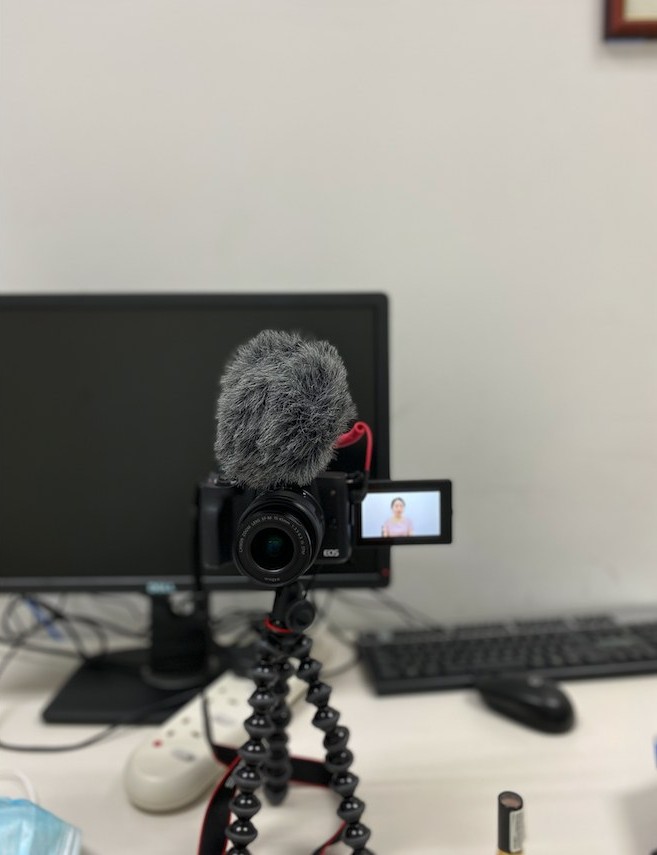
Behind the camera, 2021. The version of me on the little screen.
I've become increasingly interested in what makes a story resonate.
For a long time, I approached creating from the inside out. I knew what I wanted to say, how I felt about it, and which details seemed important to me. Only later did I begin asking a different question: what is it like to encounter this story without knowing anything that came before it?
That question has changed the way I think about storytelling. A personal realisation might be meaningful, but simply announcing the conclusion doesn't necessarily bring anyone along. Sometimes the more honest and compelling approach is to show the uncertainty that came first: the situation, the conflict, the moment something shifted, and what happened afterwards.
I've also become more aware of the responsibility that comes with learning how to influence an audience. Stories can help people understand experiences they've never had. They can offer comfort, invite reflection, or give someone the courage to look at a problem differently. They can also be used to exaggerate, manufacture conflict, or create an image of the storyteller that has little to do with reality. The more I learn about effective communication, the more important it feels to question not only how I'm telling a story, but why.
I don't think authenticity means revealing every part of myself. A video, a podcast, even a conversation with a friend can only ever show a part of a person. But I do want the part I choose to share to be something I genuinely believe in.
I want to understand my audience without performing a version of myself created only to please them.
05 — Looking back, looking forward
What I'd do differently, and what I'd keep
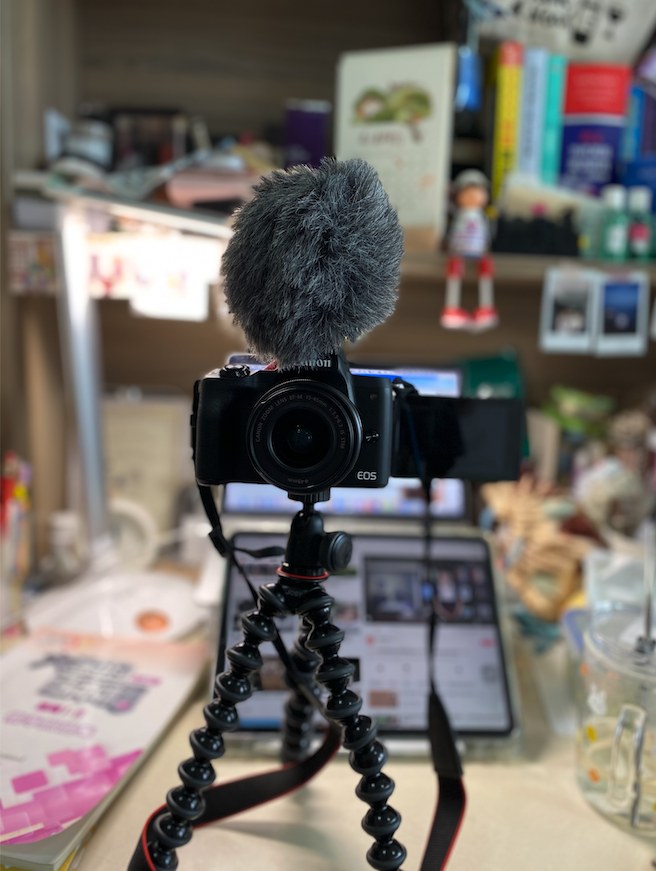
Where many of the videos were made: my dorm desk, 2021.
Sometimes I wonder what would have happened if I'd taken my early RedNote account more seriously.
When I started sharing English expressions from YouTube videos in 2022, the format was still relatively uncommon in the content I encountered. I enjoyed making the posts, people responded to them, and the account gradually found an audience.
But I never really treated it as something I was building. I posted whenever I felt like it, sometimes disappearing for long stretches. I didn't think much about developing a recognisable series, helping new followers discover older content, or giving people a reason to return.
Later, I watched other creators develop similar ideas into larger communities, recognisable personal brands, and even paid learning resources. I can't know what would have happened if I'd approached things differently. But I do think I would make different choices today.
I'd build on topics that consistently help people, rather than treating every post as a separate experiment.
I'd pay more attention to what makes someone come back, not just what makes them click.
I'd think more deliberately about how a person might first discover my work through a useful tutorial, then gradually get to know my interests, values, and perspective.
And I'd pay closer attention to distribution. A good piece of content doesn't necessarily find its audience on its own.
But there's something I wouldn't change.
I don't want every idea I explore to be chosen by an algorithm or a performance dashboard. I don't want to become so good at making content people will click on that I stop making things I actually care about.
What I want is to become better at bringing those two things together. Perhaps that's what all these years of creating have taught me.
Curiosity gives me a reason to begin.Craft helps me turn an idea into something real.And understanding other people helps me make it matter beyond myself.
Making work I believe in, and helping it reach people who might find something valuable in it.
Find a direction, build a plan, discover opportunities and prepare every application, in one system.
III / III
A career workspace I designed and built, for the long, messy middle of a job search: from not knowing what you want, to the role you are preparing for today.
Role
Founder · product, design, build
Product
Web app · English & 中文
Inside
AI coach · plan · calendar · job matches · CV tailoring
A spreadsheet of applications, the seventh version of a CV, job boards open in twenty tabs, and advice from people who don't know you. Nothing connects the direction you chose to what you do today. Career OS turns the pieces into one loop.
NotesDirectionwhat do I even want?Data analyst → Product manager
GoalPlan · 3 monthsPM by June??2 portfolio cases, 6 hrs a week
Calendar · this weekToday · 30 minNothing scheduledWrite up one project
BrowserOpportunity23 tabs of job boardsSenior PM · 86% match
DownloadsApplicationCV_final_v7_REAL.docxCV tailored for Senior PM
The coach starts by reading your CV and portfolio and asking what motivates you. It pushes back, names trade-offs and tests directions with you. Then the conversation becomes a snapshot you can read in a minute, where every line can be questioned or corrected.
Coach
Your CV reads like delivery work, but you describe yourself as strategic. Which one do you want the next role to be about?
Strategy. But I worry I'll be seen as too junior for it.
That's a positioning problem more than a skill problem. Two of your projects already show strategic judgement. We just haven't framed them that way yet.
Reading: CV · PortfolioExploring: motivation
Career snapshotDraft · confirm with coach
Current situation
PM, 4 yrs, delivery-heavy fintech team
Strengths
Structured thinking · Stakeholder trust · Data fluency
Want more of
Strategy ownership · Earlier problem framing
Constraints
~6 hrs/week · No relocation
Possible directions
Senior PM (product-led) · Strategy & Ops
Main gaps
Visible strategy evidence · Market narrative
Coach's take: the fastest unlock is evidence, not another course.
A product decision
The AI proposes. You decide.
An AI that quietly rewrites your plan is fast, but the plan stops being yours. So the coach can never change it on its own. Every suggestion arrives as a preview, with what moves and why, and nothing changes until you accept it.
Senior Product Manager6 months6 hrs / week
Strategy foundations62%
Milestone: write a strategy memo
Product evidence35%
Milestone: 2 case write-ups
Interview readiness12%
Milestone: 8 core stories+ Milestone: mock case with a PM · this week
Target role exploration48%
Milestone: 5 informational chats
→ Next action: outline your strategy memo (30 min)
✧ Coach suggests a change
Your interview with Northwind is in 12 days, and Interview readiness is at 12%.
Add milestone: mock case with a PM, this week
Move “Strategy reading, ch. 6” to next week
Plan updated · you approved 1 change
Every day, every week
From a plan to the next thing to do
TodayWed · 2 tasks
Competitive advantageIn plan
45 min · Strategy foundations
📖 Good Strategy / Bad Strategy · Chapter 5
Start focusOpen resource
Draft case write-up
30 min · Product evidence
This weekDay · Week · Month
MonTueWedThuFri19:00Gym20:00Dinner
Focus · Competitive advantage00:00
Planned45m
Actual0m
Today · Calendar · FocusLittle time? Open it and know what to do first. Tasks come from the plan with the reading already attached; drag them onto the calendar and compare planned with actual focus time.
Today's job matches3 new · 8:45
Senior Product Manager0
Fintech · Singapore · Hybrid
Risk-strategy projects match their roadmap work
No people-management story yet
Growth Strategy Manager0
Consumer brand · Shanghai
Strong analytics evidence
Check team size and scope
Product Operations Lead0
SaaS · Remote
Fits your hours
Less strategy ownership
Read
Strategy & Ops Manager0
Pasted by you · Shenzhen
Daily job matchesIt searches career pages, job boards and Google Jobs every day, scores each role against you and says why it fits. Paste any listing and it reads that too.
Career library · ApplicationsYour CV and work samples become reusable pieces. Pick the ones that fit a role, approve the tailored bullets, and see which requirements you can prove. Nothing is invented.
This weekMar 4 – Mar 10
Focus time0h 0m
Tasks done0 / 9
Progress+0%
Strategy foundations
Product evidence
Interview readiness
Coach review: portfolio work has slipped three weeks in a row, and your interview window is closing in. Shall we swap one reading block for a case write-up?
Adjust planKeep as is
Review & adjustOnce a week, focus time, tasks and progress come together. When a pattern appears, like work that keeps slipping, the coach proposes a change. You decide.
Career snapshot
A one-page read of your situation, editable line by line
Focus areas, not backlogs
Goals become a few areas with milestones sized to your week
Resources on every task
The chapter, template or example is attached where you need it
Day, week and month views
Drag tasks into the time you actually have
Requirement check
See what a role asks for that you can't prove yet
English & 中文
The whole workspace in both languages
Use cases
Built for the moment you're actually in
Exploring a career change
“I know I want something different, but not what.”
Clear target, unclear path
“I know the role I want. I need a realistic plan.”
Actively job hunting
“I need to prioritize what matters and stay organized.”
Interview coming up
“I need to shift focus quickly and prepare.”
Growing where you are
“I want to level up without necessarily changing jobs.”
Your career won't follow a template. Your plan shouldn't either.





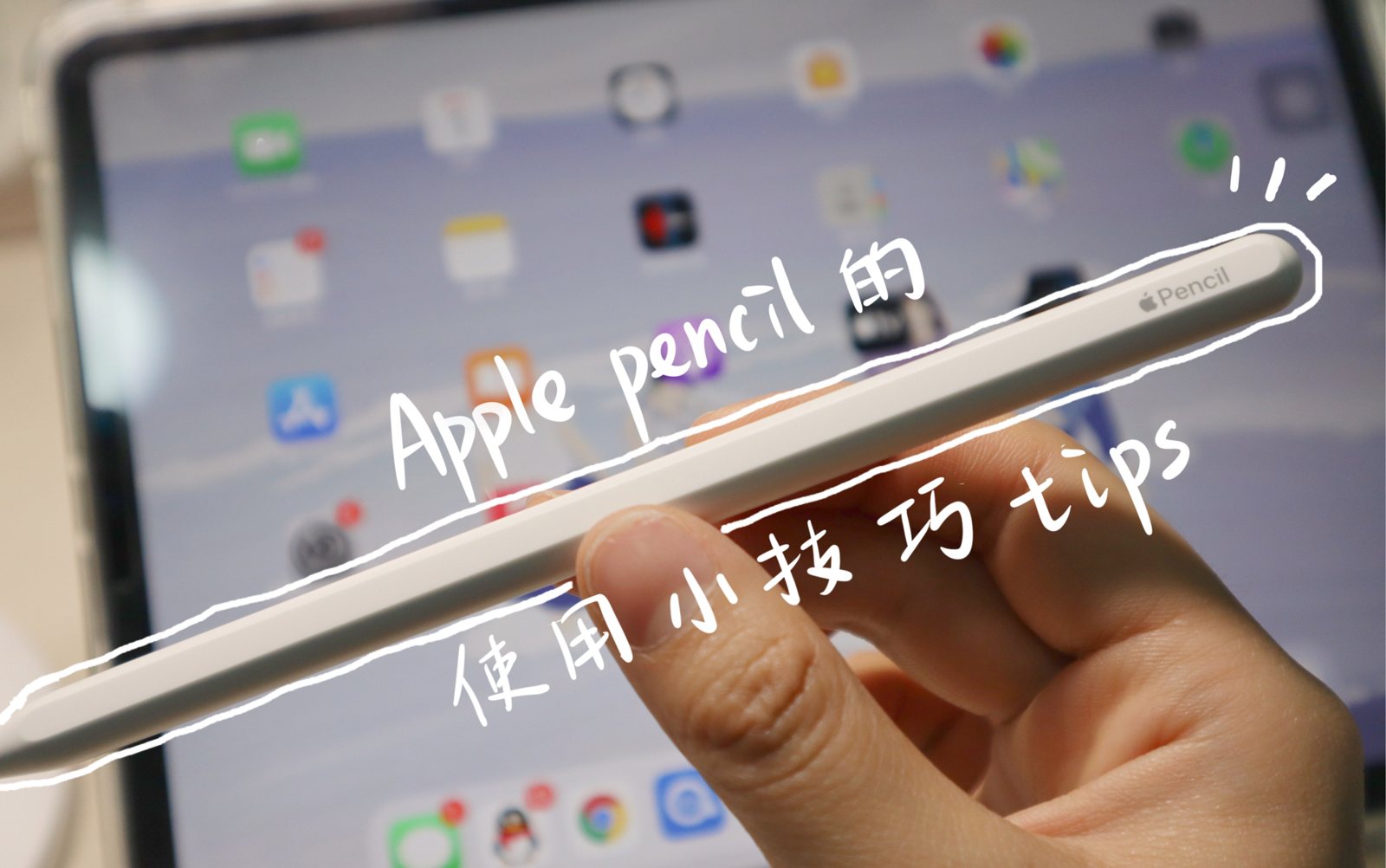 Apple Pencil tutorialBilibili · cover
 BBC interview, natural EnglishRedNote · cover
 Anki + Eudic workflowBilibili / YouTube · cover
 找到你 Another MePodcast · cover art
 On persistenceBilibili · still
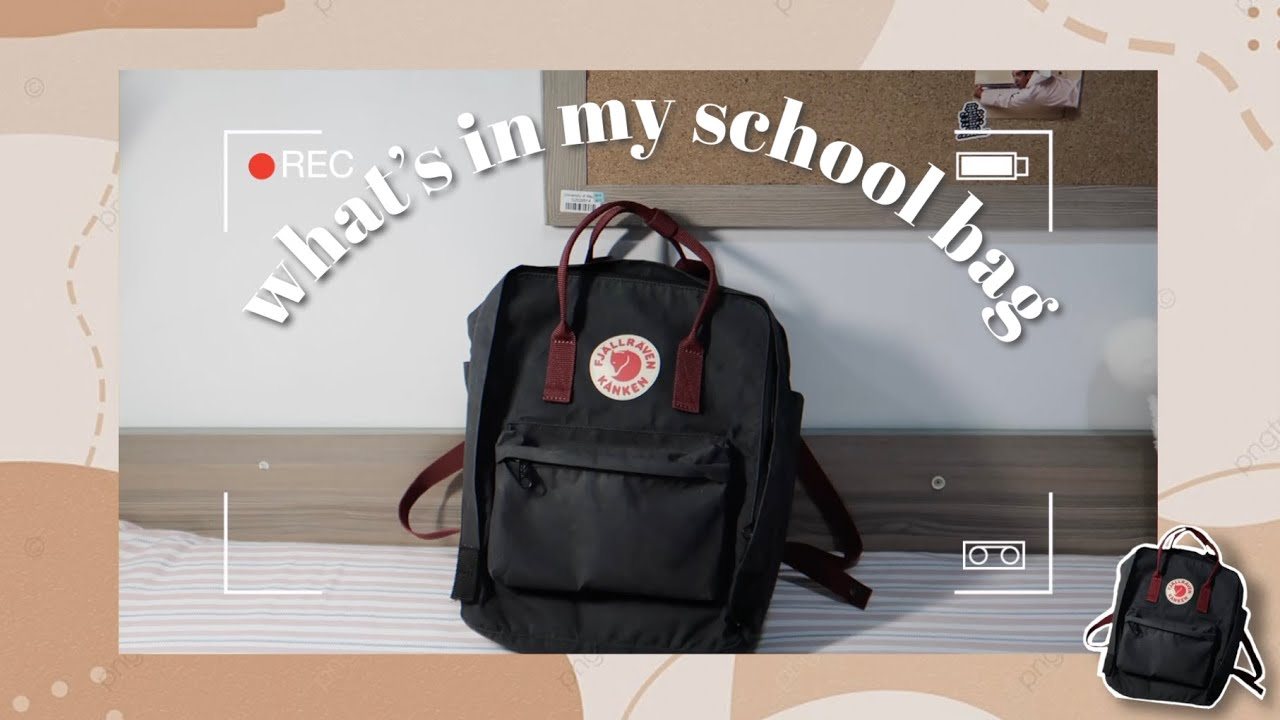 What's in My BagYouTube · cover



 Apple Podcasts ↗